Here are the top 5 home renovation projects that offer the best return on investment this year:
1. Kitchen Remodeling
Value Increase: Up to 80% ROI
Why It Works:
The kitchen is still the heart of the home. Updating countertops, cabinets, flooring, or appliances can instantly modernize your space and make it more functional and appealing. In 2025, open layouts, energy-efficient appliances, and quartz countertops are top trends that attract buyers.
-Pro Tip: Even a minor kitchen remodel can offer a big impact—fresh paint, new cabinet doors, and updated hardware go a long way!
2. Bathroom Upgrades
Value Increase: Up to 75% ROI
Why It Works:
Bathrooms are a key decision point for buyers. Renovating your bathroom with new tile, fixtures, lighting, and modern vanities can boost your home’s value and comfort. Adding a walk-in shower or double sink is especially appealing in today’s market.
-Don’t forget proper waterproofing and ventilation—small details that prevent big future problems.
3. New Flooring Installation
Value Increase: Up to 70% ROI
Why It Works:
Old, worn-out flooring instantly dates your home. Replacing it with luxury vinyl plank (LVP), hardwood, or ceramic tile not only improves the aesthetic but also makes cleaning easier and increases durability—especially in high-traffic areas.
-Neutral colors and wood-look finishes are top choices in 2025 for both style and marketability.
4. Exterior Improvements (Painting & Siding)
Value Increase: Up to 65% ROI
Why It Works:
First impressions matter. A fresh exterior paint job or new siding dramatically boosts curb appeal. In 2025, homeowners are choosing low-maintenance siding like fiber cement or composite, paired with modern, bold colors to make their homes stand out.
-Don't forget the trim and doors—clean edges and contrast colors can really elevate your exterior look.
5. Roof Replacement or Repair
Value Increase: Up to 60% ROI
Why It Works:
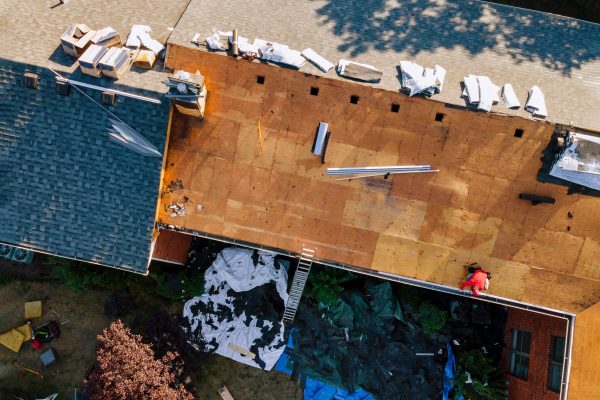
A new roof gives potential buyers peace of mind. It’s one of the first things inspectors and appraisers look at. Replacing damaged shingles or upgrading to energy-efficient materials increases the safety, efficiency, and market value of your home.
-Add proper attic ventilation during roof work to further improve home energy performance.

Drywall: The Modern Standard
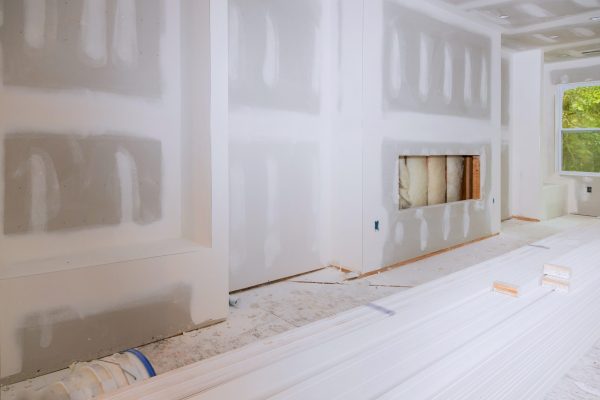
Drywall, also known as sheetrock, is the most widely used wall finish in modern construction. It's made from a gypsum core sandwiched between two sheets of paper and comes in large panels that are fast and easy to install.
One of the biggest advantages of drywall is cost-effectiveness. It’s a great option for homeowners looking to stay on budget while still achieving a clean, smooth interior finish. Drywall is also quick to install, and repairs are easy—you can patch holes or dents without too much hassle.
It supports different textures and is usually paint-ready in just a few days. Fire-resistant and moisture-resistant versions are also available, making drywall a versatile option for almost any room.
Plaster: The Classic Finish
Plaster is a more traditional wall finish, often found in older or high-end homes. Unlike drywall, plaster is applied in layers over a lath or mesh, creating a dense and extremely durable surface.
What makes plaster stand out is its luxurious, handcrafted look. It delivers a more solid, high-end aesthetic and offers superior soundproofing compared to drywall. It also resists dents better and is naturally fire-resistant due to its density.
However, plaster takes longer to apply and generally costs more. It also requires skilled labor, and repairs are more complex. But for homeowners seeking a timeless, elegant finish—or restoring historic homes—plaster is hard to beat.
-Which Should You Choose?
If you’re looking for something fast, affordable, and easy to work with, drywall is your best choice. It’s ideal for most modern construction projects and offers flexibility with finishes and textures.
If you want a wall surface that’s built to last, reduces noise, and adds architectural charm, plaster is worth the investment—especially in homes with curves, niches, or decorative moldings.
1. Your Roof Is 20+ Years Old
Most roofs have a lifespan of 20 to 30 years, depending on the materials used. If your roof is over 20 years old and hasn’t had a recent inspection, it may be nearing the end of its life—even if it looks fine from the ground.
Tip: Asphalt shingle roofs typically last 20-25 years, while metal or tile can last longer with proper maintenance.
2. You Notice Leaks or Water Stains
If you see water stains on ceilings or walls, it’s often a sign of a leak coming from the roof. Ignoring it can lead to mold, insulation damage, and even electrical issues.
Don’t just patch the ceiling—inspect the roof. Leaks are often signs of deeper problems like deteriorated shingles or underlayment failure.
3. Shingles Are Curling, Cracking, or Missing
Look at your roof from outside. If you notice:
Curling edges
Cracked or brittle shingles
Bald spots where granules are missing
-those are signs your shingles are deteriorating and no longer protecting your home effectively.
4. Storm Damage or Hail Impact
Heavy winds, rain, hail, or falling branches can cause visible or hidden damage to your roof. Even if there are no leaks yet, damage to the roof’s structure or shingles can weaken its ability to protect your home in the future.
Schedule a professional roof inspection after major storms—even small issues can get worse fast.
5. Mold, Moss, or Dark Streaks
If you see green moss, black streaks, or signs of algae, your roof might be holding moisture—an early sign of rot. Moss and mold can lift shingles, allowing water to seep in and cause structural damage over time.
6. Sagging Roofline
A sagging or uneven roof is a red flag that there may be water damage or even rot in the decking or rafters. This often requires full roof replacement and structural repair.
1. You Avoid Costly Mistakes and Rework
Unlicensed contractors often lack formal training or up-to-date knowledge of building codes, materials, and safety protocols. This increases the risk of:
Poor workmanship
Code violations
Structural issues
Incomplete or incorrect installations
These mistakes may require expensive repairs—sometimes even a complete redo of the project. Hiring a licensed contractor ensures that the job is done right the first time.
-Fixing bad work always costs more than doing it right from the start.
2. You’re Protected by Insurance and Liability Coverage
Licensed contractors are required to carry general liability insurance and workers’ compensation. This protects you if:
A worker is injured on your property
Something is damaged during the project
The work causes future issues (e.g., water leaks, electrical failures)
Hiring an unlicensed contractor means you could be held personally responsible—which can lead to legal costs or claims against your homeowners insurance.
-With a licensed contractor, you're covered. With an unlicensed one, you're exposed.
3. You Comply with Local Laws and Permits
Many projects require permits and inspections by local authorities—especially for electrical, plumbing, roofing, and structural work. Licensed contractors know what’s required and will:
Pull all necessary permits
Schedule inspections
Ensure everything is code-compliant
Unlicensed contractors may skip permits to cut costs or speed up the job—putting you at risk for fines, failed inspections, or delays when selling your home later.
-Non-permitted work can even lower your home’s value or void insurance claims.
4. You Get a Written Contract and Warranty
Licensed contractors provide detailed contracts that outline:
Scope of work
Materials used
Timeline and cost
Payment terms
Warranty or guarantee
This protects both parties and gives you legal ground if things go wrong. Unlicensed workers often operate without contracts or offer vague agreements—leaving you with no recourse if the job isn’t completed or fails later.
-A real warranty is peace of mind—and only licensed pros offer it.
5. It Adds Long-Term Value to Your Property
Work done by licensed professionals often passes inspections, meets higher standards, and adds value when it’s time to sell your home. Buyers trust documented, professional upgrades—especially for things like:
Roofing
Framing
Electrical work
Flooring
Siding and stucco
Kitchen or bathroom remodeling
Trying to save now by hiring someone unlicensed can make it harder to sell or refinance later.